Prosecutors may try to use body cam footage depicting an arrest or interaction with the police as evidence against you in New Jersey. Our lawyers can review this footage to determine how it might harm your case and file motions to suppress it if it is of poor quality or was improperly captured.
Body cam footage can be used to support police officers’ testimony of what happened during the arrest and the voluntary statements you made. It isn’t always admissible, and we can challenge it if it can’t be authenticated or the footage is incomplete and doesn’t show the entire interaction. Body cam footage might help your case if it films police officer misconduct, so tell us if law enforcement violated your rights in any way during the arrest.
You can call the Law Offices of John J. Zarych at (609) 616-4956 to get a free case review today from our New Jersey criminal defense lawyers.
Can Body Cam Footage Be Used Against You in a Criminal Trial in New Jersey?
Uniformed police officers in New Jersey often wear body-worn cameras (BWCs) when responding to calls and during interactions. If your arrest was captured on an officer’s body-worn camera, you need to know if the footage can be used as evidence against you.
Authenticated police body-worn camera footage is generally admissible evidence in criminal cases, as officers can testify to corroborate it.
Any voluntary statements or admissions you made during the interaction with police may be caught on a body-worn camera, and prosecutors might try to use that against you. Stay mindful that uniformed police officers most likely have BWCs recording during an arrest.
When is Body Cam Footage Inadmissible in Criminal Trials?
We may be able to challenge the admissibility of body-worn camera footage, preventing the prosecution from using it as evidence against you at a criminal trial in New Jersey.
Lack of Authenticity
We can argue that body-worn camera footage should be inadmissible in your criminal case if it lacks proper authentication or has been edited or manipulated.
Incomplete Footage
If the officer intentionally or accidentally failed to activate the body-worn camera at the beginning of an encounter and only captured a portion of the interaction with law enforcement, the footage may lack context, and we can challenge it for painting an incomplete picture.
Poor Quality
Body-worn camera footage isn’t always the best, and very blurry, dimly lit, or quiet footage may be too low-quality for the judge to allow the prosecution to use it as evidence against you and show jurors.
Inappropriate Activation
If police officers activate body-worn cameras and use them in any way that violates BWC policies, the resulting footage may be inadmissible in a criminal proceeding. Pay attention to officers’ actions during an arrest, and tell us everything you can remember about what they said or did to you, no matter how insignificant it seems.
Can Body Cam Footage Be Used to Help You in a Criminal Trial?
You may be able to use body-worn camera footage captured by the arresting police officers to help your case in New Jersey, depending on what the footage shows.
If there was any police misconduct involved in your interaction, such as improper use of force, illegal searches, or failure to read you your Miranda rights at the proper junctions, BWC footage may show that misconduct and help your case.
Footage can challenge false or exaggerated statements about your conduct from witnesses or police officers, and may provide the added context jurors need to find you not guilty.
We can obtain and review body-worn camera footage when preparing your case to see if it tells a different story than the prosecution alleges happened during your interaction with law enforcement.
FAQs About Body Cam Footage and Criminal Trials in New Jersey
Can You Challenge the Admissibility of Body Cam Footage?
You can challenge the admissibility of body-worn camera footage so that the prosecution cannot present it to the jury during the trial.
How Long Can the Police Keep Body Cam Footage in New Jersey?
New Jersey police officers must keep body-worn camera footage for at least 180 days. Footage showing use of force and arrests is generally retained for three years, if not longer.
Can Body Cam Footage Contain Exculpatory Evidence?
Body-worn camera footage can be useful evidence to you when it shows police misconduct or directly contradicts statements from law enforcement.
What Cases Often Involve Body Cam Footage as Evidence?
Body-worn camera footage often captures arrests for drunk driving, domestic violence-related offenses, and assault. New Jersey police officers have to have BWCs on for the majority of interactions.
What if Body Cam Footage Was Edited?
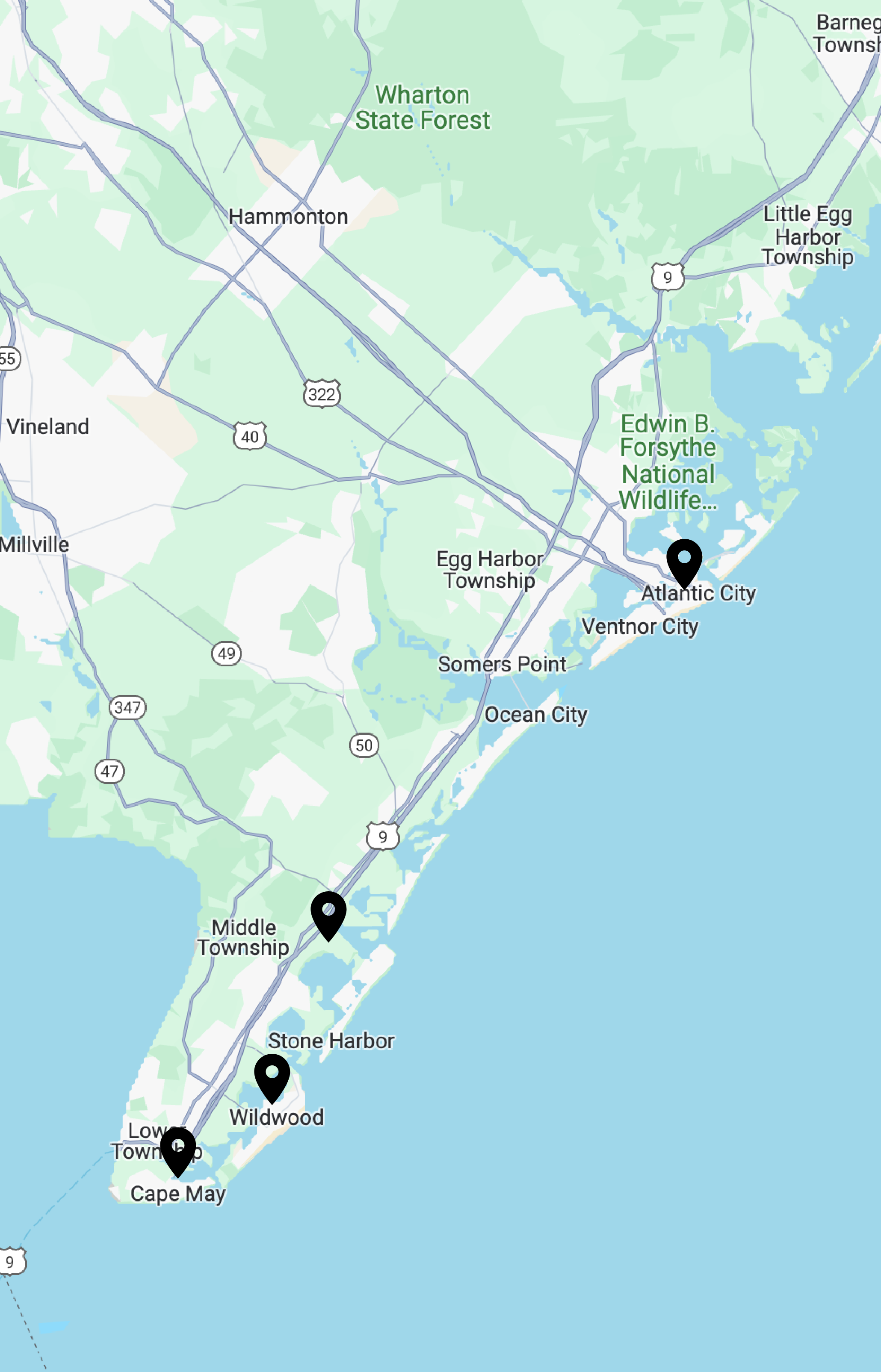
If the body cam footage was edited or manipulated, our Atlantic City, NJ criminal defense lawyers can challenge its admissibility and stop the prosecution from using it against you, which could be enough to compromise its case.
What if Body Cam Footage is Too Blurry?
If the body-worn camera footage is too obscured or blurry, the prosecution may not try to use it if it doesn’t clearly identify you or corroborate the version they are trying to present. If blurry footage is admitted as evidence, our lawyers can create reasonable doubt in jurors’ minds by exposing the poor quality.
Can Other Camera Footage Be Used Against You in a Criminal Trial?
Because New Jersey police officers have to activate body-worn cameras during most arrests and interactions, footage is often accessible. That may not be the only footage worth getting and reviewing, as the prosecution might try to get and use footage from nearby security cameras. We can challenge security camera footage for similar reasons.
Call Us for Help with Your Criminal Charges in New Jersey
Call the Law Offices of John J. Zarych at (609) 616-4956 to have our Wildwood, NJ criminal defense lawyers assess your case for free.